Upcoming Collection : PILIPINAS

Sampaguita: The Fragrant Symbol of Filipino Spirit
A Small Flower, Big Meaning
Some memories arrive as a scent. In the Philippines, the fragrance of sampaguita can bring to mind a garland placed around the neck, a church entrance, a graduation ceremony, or a roadside seller arranging fresh blossoms for the day. Its presence is modest, but its meaning reaches across generations.
Sampaguita, scientifically known as Jasminum sambac and also called Arabian jasmine, has been the Philippine national flower since February 1, 1934. It was designated through Proclamation No. 652, giving official recognition to a flower already woven into Filipino life.
The sampaguita is more than a botanical emblem. Its white petals, delicate form, and unmistakable fragrance express values that many Filipinos recognize in their families, communities, and traditions.
At a glance
Sampaguita is a small white flower with a large cultural presence—seen in celebrations, religious practices, acts of welcome, and ordinary moments shared by the community.

- Purity. The white blossoms suggest sincerity and clean intention.
- Simplicity and humility. Its modest size shows how quiet beauty can carry lasting importance.
- Fidelity and devotion. Its fragrance evokes promises, affection, and enduring love.
- Strength and dignity. Though delicate in appearance, the flower holds a powerful place in national and cultural life.
- Hospitality and respect. Its garlands help people welcome, honour, remember, and show reverence.spending time in family gardens. Children sometimes picked the blossoms and tasted the small amount of nectar found inside the flower tubes.
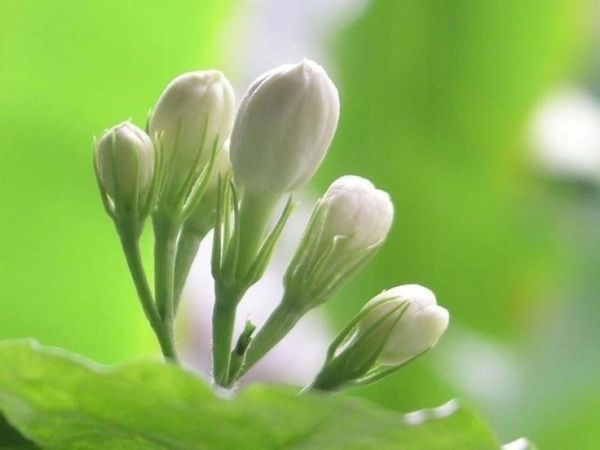
"A quiet kind of strength"
Sampaguita reminds us that cultural importance does not always arrive in grand form. Sometimes it is carried by a small flower whose meaning becomes stronger each time it is shared.

Single-petaled
"Maid of Orleans"
One layer of petals, often around five or more oval petals, creating an open, star-like bloom and the familiar classic sampaguita appearance.
Double / Semi-double
"Kampupot"
Features multiple or double layers of petals with more rounded tips, resembling miniature white roses. This variety is often called Kampupot. It is generally described as less fragrant than the single form.
Multi-Petal / Rosette
"Grand Duke of Tuscany"
One to two layers of longer, narrower petals make the flower fuller than the single form while retaining a light, graceful shape.
Why a Non-Native Flower Became National
Although sampaguita is deeply identified with the Philippines, it is important to note that it is not native or naturalized there. It has been widely cultivated for its ornament, fragrance, and use in garlands. This history does not make its national status less meaningful; instead, it shows that national symbols can be shaped by how people care for, use, and remember them.
Filipinos have given sampaguita a place in moments both ceremonial and everyday. Its national significance comes not only from an official proclamation, but from years of cultivation and repeated human gestures: offering a garland, buying flowers from a roadside vendor, placing blossoms near a religious image, or recognizing their scent at a family gathering.
National meaning is lived
A symbol becomes enduring when people encounter it in real places and meaningful moments. Sampaguita’s story belongs as much to Filipino communities as it does to gardens and flower beds.