

HYDRANGEA ORIGIN: WHERE DO HYDRANGEAS COME FROM?
Japanese Cultural Significance of Hydrangea :
The Hydrangea (紫陽花, アジサイ, ajisai ) is a popular flower in Japan. Native hydrangea varieties have been mentioned in Japanese written records from the 8th century, while European varieties were introduced in the early 20th century. Hydrangeas typically bloom during the rainy season in June and July, making them a symbol and the most popular flower of the season which generally sees considerably less flowers than the preceding spring season.
There are over 100 varieties of hydrangeas of various colors in Japan today, include those that bloom into balls of flowers and those whose flowers surround a bald patch. Relatively easy to grow, hydrangeas are commonly seen in parks and private gardens. Some temples are known for their hydrangea gardens and are popular places to see large numbers of flowers in a picturesque setting. Note that the flowers are often cut prematurely to ensure a good flowering in the following year.
Native Origins and Species :
Native to eastern Asia, notably China, Japan, Korea, and the Western Hemisphere, hydrangeas are characterized by their clusters of cloud-like blooms. There are 23 known hydrangea species, including mophead hydrangea (Hydrangea macrophylla), lacecap hydrangea (Hydrangea macrophylla normalis), and oakleaf hydrangea (Hydrangea quercifolia). They produce beautiful round clusters and flat frilly layers of blooms in various colors, including white, pink, lavender, green, and blue. One of the cultivation qualities of hydrangeas is their ability to thrive in various soil types.
At a Glance
Cloud-like clusters, a colorful palette, and meanings that range from heartfelt affection to gratitude and fresh beginnings. Hydrangeas bring a generous touch of beauty to gardens and meaningful gifts alike.
COLORS AND SYMBOLISM OF HYDRANGEA
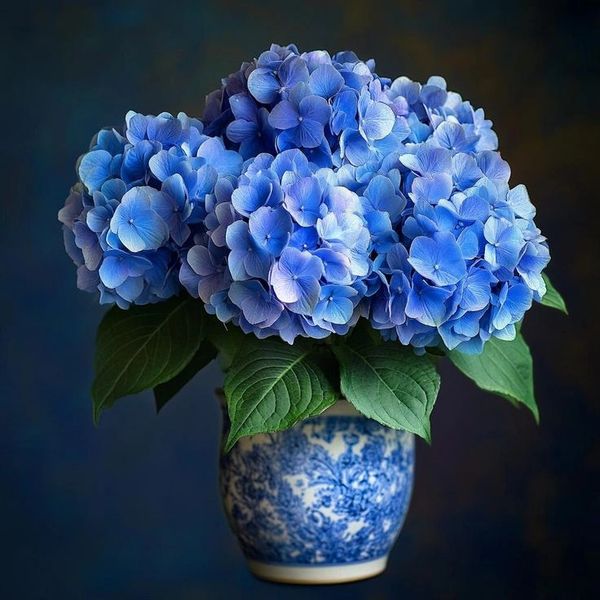
BLUE HYDRANGEA
Blue hydrangeas have a meaning of forgiveness, rejection and regret. So, while they may be super pretty, they don’t have the happiest meaning. We’ve all been in an argument with someone and said something we’ve immediately regretted, and if you’re looking to apologise, then blue hydrangeas are a great starting point.
In ancient Japanese culture, blue hydrangea is imbued with the symbolism of apology and remorse. Today, the elegant presence of blue hydrangeas gracefully signifies serenity and gratitude. Blue hydrangea flowers unfurl as the perfect hostess gift, a graceful token of appreciation.
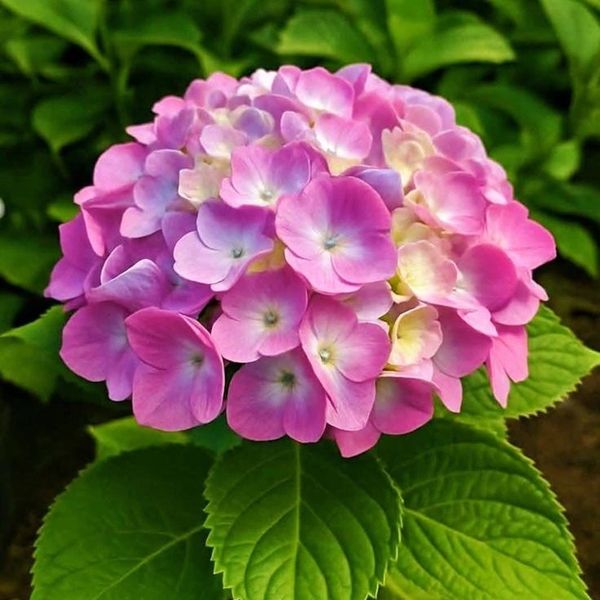
PINK HYDRANGEA
Pink hydrangeas are the most romantic of them all as they symbolise love and sincere emotions. They’re perfect to give to someone you’ve recently started dating or have been in a long term relationship with. Because of their unique appearance, they’re also sometimes associated with the resemblance of a beating heart.
Pink hydrangea symbolizes thoughtfulness, grace, and love. Their graceful blossoms are the ideal thank-you gift for expressing affection and admiration for someone special.
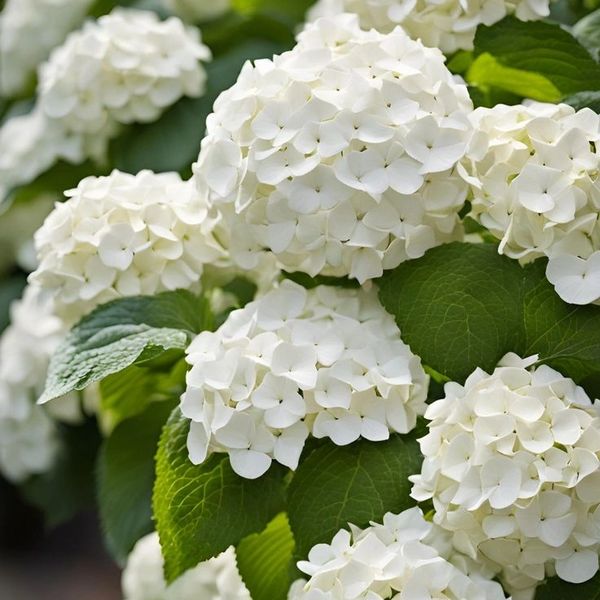
WHITE HYDRANGEA
Like most white flowers, white hydrangeas symbolise purity, grace and abundance. This makes them the perfect flower to decorate a wedding venue with or to give as a new baby gift. Some people think white hydrangeas also represent bragging though, so you might want to be a little careful with who you give them to.
White Hydrangea Meaning
White hydrangeas symbolize purity, innocence, and honor; their graceful blooms are an ode to the delicate essence of nature. The ethereal blooms of white hydrangea are fashioned as exquisite gifts, befitting summer weddings and stylish home decor.
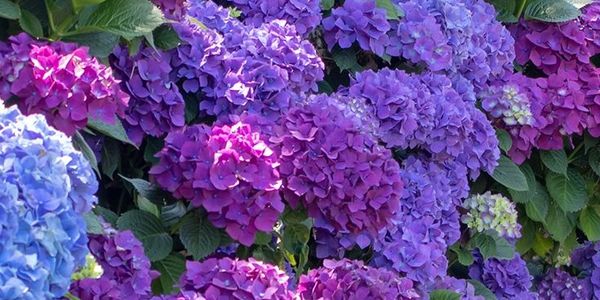
PURPLE HYDRANGEA
Purple hydrangeas signify wealth, royalty and abundance so if you know someone who recently got a promotion or a pay-rise, say congratulations with flowers. Or send purple hydrangeas to that extra special person who you think deserves to wear a crown.
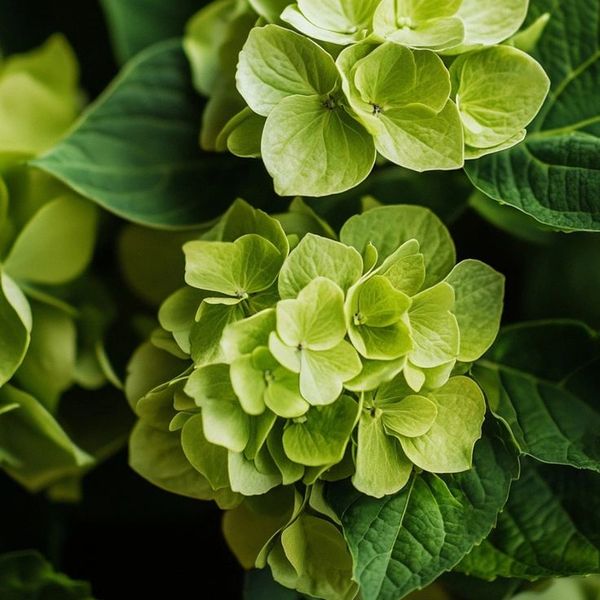
GREEN HYDRANGEA
Most of the time, green flowers have a meaning of renewal and rebirth. But, green hydrangeas also represent good fortune, good health, youthfulness and prosperity. These flowers are great to give to someone who needs a fresh start and positive energy in their life.
A Color for Every Feeling
An apology, a thank-you, a little romance, or a wish for a fresh start. The meaning behind a bloom can make a simple gesture feel deeply personal.
FUNFACTS
Hydrangea means ‘water vessel’ in Greek
The name hydrangea comes from the Ancient Greek words for ‘water vessel’, ‘hydor’ and ‘angos’. This was chosen as the seed capsules on hydrangeas resemble cups. However, it’s a fitting name in another way - hydrangeas love water, and as cut flowers they tend to be quite thirsty.
The colours are all down to chemistry
For certain varieties of hydrangea, the colour of the bloom depends on the chemical makeup of the soil. Acidic soils will produce blue or purple flowers, whilst alkaline soils create pink or red petals.
If you’re really keen on getting the perfect hydrangea colour, you have to get the pH spot on - for blue hydrangeas, this means a pH less than 5.5. For pink hydrangeas you want more alkaline soil that has a pH over 6.5. Meanwhile, a pH between 5.5 and 6.5 will produce purple blooms.

How many of these hydrangea facts did you know?
- Hydrangeas are usually given on the 4th wedding anniversary to symbolise appreciation.
- They’re toxic to pets and can give your dogs and cats an upset tummy. People also shouldn’t eat them either.
- They bloom from early spring to late autumn.
- There are hydrangea fan clubs all over the world.
- They can grow to be up to 29 metres tall.name in the industry.
Have These Facts Impressed You? Let Us Know.
Share this article with your friends, anthophiles or nerdy love interests. In the case of a love interest, maybe consider sharing a flower art piece from Clayhives as well. A perfect gift for your love and for your self. You can browse our collection.
Know more about flower. Visit Flower Library.