

Japanese sakura: About cherry blossoms
Depending on what time of year you visit Japan and where you go, you are likely to spot pink flowers blooming from trees. These are sakura, Japan’s famed cherry blossoms, painting the world in a cloud of delicate pinks, whites, and even yellow and green.
In Japanese culture, sakura have long been associated with renewal and hope, symbolising that spring has truly arrived.
One characteristic of Japanese cherry blossoms often addressed in poetry is their ephemerality. Peak blossoms last only about a week, making the timing of a hanami gathering difficult. A cherry blossom forecast and calendar are created annually and watched closely across the nation.
At a Glance
Cherry blossoms welcome spring with delicate blooms and a sense of renewal. Their brief season invites us to slow down, gather with loved ones, and appreciate beauty while it lasts.

What is the ritual of hanami?
Hanami celebrates the fleeting beauty of cherry blossoms. Commonly known as “flower viewing,” it is the ancient practice of gazing upon the flowers.
In ancient times, farmers would pray, make offerings, and prepare a feast under the cherry blossom trees, believing it would bring an abundant harvest. These days, hanami is an annual event everyone looks forward to. Come spring, family and friends gather for picnics and parties under the trees, sharing food, drinks, and songs.
Popular varieties of sakura in Japan
There are over 300 varieties of cherry tree, also known as cultivars. Cherry blossom species naturally have five petals, but some cultivars have more than 100 petals per flower.
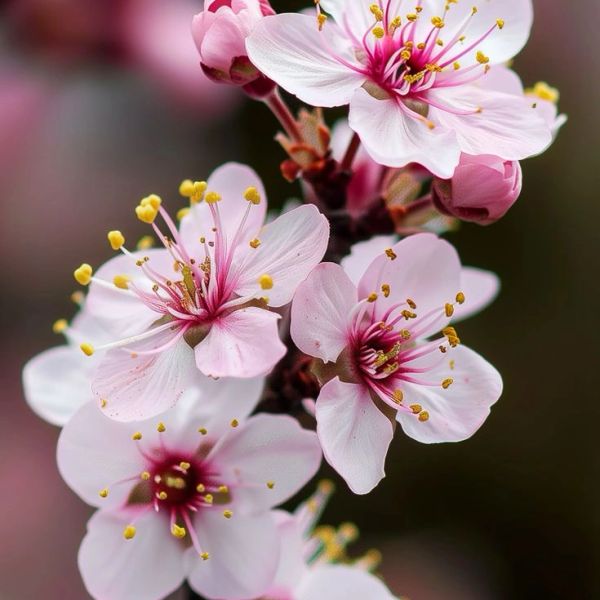
Somei Yoshino (Yoshino Cherry)
The most common variety of cherry blossom, Somei Yoshino has five petals per flower. The flowers appear pale pink at first and become whiter as the days go by. They bloom in bunches of three to four flowers, with green leaves replacing them once the petals have fallen.
These flowers start blooming from mid-March to late April.
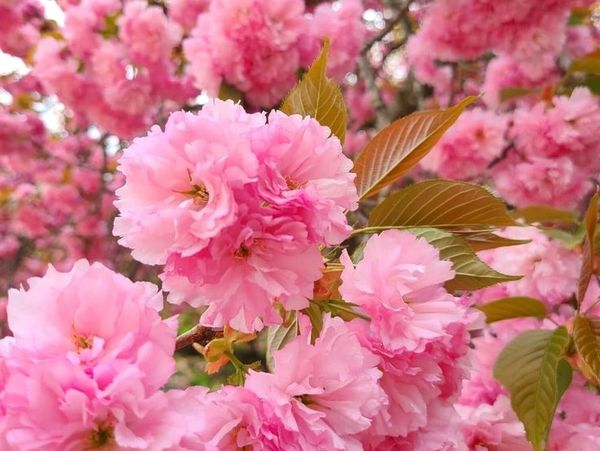
Kanzan
Kanzan is one of the “double-blossom” sakura, a group that includes varieties with more than ten petals per flower. These late-blooming flowers are recognisable by their rich pink colour and full clusters. Their fresh leaves are coppery.
Kanzan cherry blossoms usually start blooming in mid-April in Tokyo.
Gyoiko-zakura
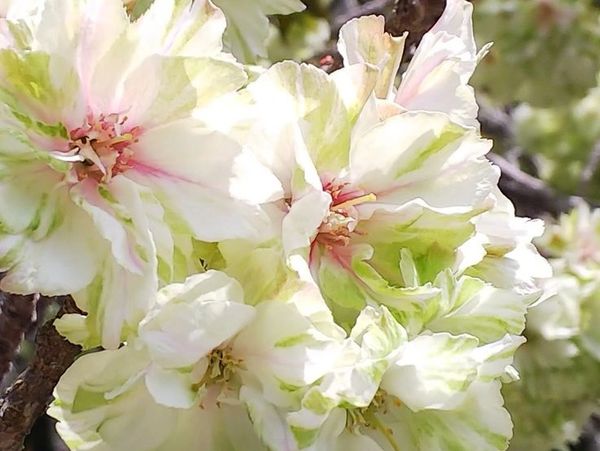
Gyoiko-zakura is known for its pale green petals, sometimes with pink lines or tinges. Another variety, Ukon, features yellow-green blossoms.
Gyoiko-zakura’s green petals are sometimes compared to the colour of Heian-era aristocratic kimonos. It is a type of yaezakura, with multiple layers of petals.
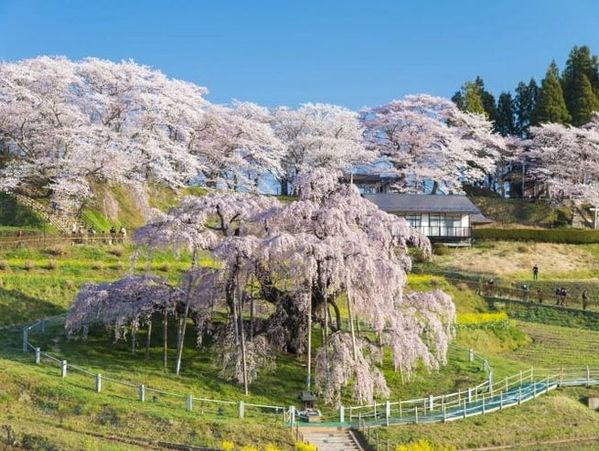
Shidarezakura (Weeping Cherry)
Shidarezakura stands out with cascading branches adorned with delicate blooms. These graceful trees add a unique charm to Japan’s spring scenery.
Weeping cherry trees (しだれ桜) have thin, drooping branches that hang down like threads, earning them the nickname “itozakura,” or thread cherry blossoms. Their history dates back to the Heian Period, around 1,200 years ago.
Depending on the variety, their flowers can be pink, white, or red.
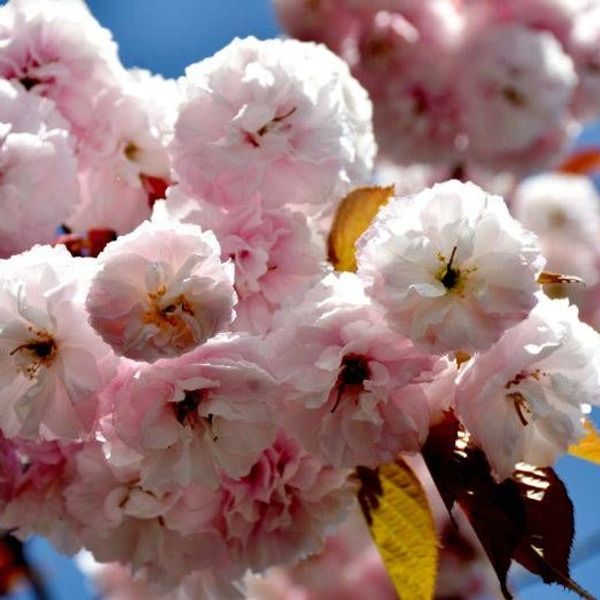
Kikuzakura (Chrysanthemum Cherry)
Kikuzakura, or the chrysanthemum cherry, is a type of yaezakura with many layers of petals. Its soft colours range from white to very light pink, and a blossom can have as many as one hundred petals.
These late-flowering blossoms appear around late April and early May. One place to see them is Ishikawa Prefecture’s Kenrokuen Garden. The rare Kenrokuen Kikuzakura is said to have as many as 300 petals per flower.
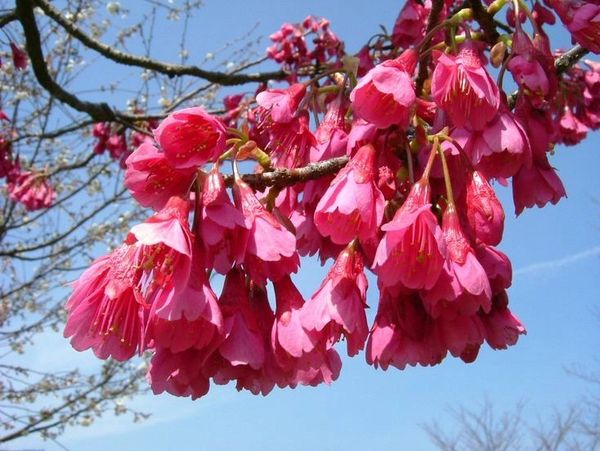
Kanhizakura (Bellflower Cherry)
Kanhizakura has deep pink, bell-shaped flowers that do not fully open. Native to Taiwan and Okinawa, it blooms there as early as January and February.
In Tokyo’s parks, it usually blooms around mid-March, making it one of the earlier varieties.
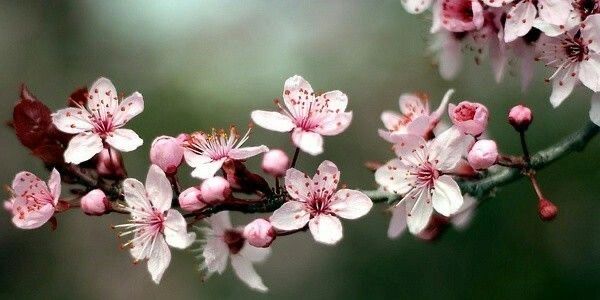
Yamazakura
Yamazakura has slightly pink blossoms with five relatively small petals. Its fresh leaves develop alongside the flowers, giving the tree a softer appearance than Somei Yoshino.
In the Kanto region, Yamazakura typically blooms between March and April.
A Moment Worth Pausing For
The beauty of sakura is not only in the blossoms, but in the moments shared beneath them. Their fleeting season is a gentle reminder to make time for the people and little joys that matter.
Fascinating facts about cherry blossoms
- Each of the 400 cherry trees in Amsterdam Forest has a Japanese or Dutch female name. The trees were donated by the Japan Women’s Club in 2000 to commemorate 400 years of friendship between the Netherlands and Japan.
- Cherry blossom petals are used in Japanese teas and sweets.
- Blossoms are not always pink. Their colours can include white, ivory, green, and yellow.
- Macon, Georgia, is known for its hundreds of thousands of Yoshino cherry trees.
- Peak bloom is fleeting, often lasting around a week, depending on the variety and conditions.
- Ornamental cherry trees are grown for their beauty rather than their fruit.
Have These Facts Impressed You? Let Us Know.
Share this article with your friends, anthophiles or nerdy love interests. In the case of a love interest, maybe consider sharing a flower art piece from Clayhives as well. A perfect gift for your love and for your self. You can browse our collection.
Know more about flower. Visit Flower Library.